

Cabinet handles may be one of the smallest details in a kitchen or piece of furniture, but they have a significant impact on how a space looks and feels. The right hardware can enhance the character of your cabinetry, complement your interior style and add a finishing touch that makes a room feel considered and complete.
Whether you are renovating a kitchen, updating existing cabinetry or designing a new space from scratch, choosing cabinet handles is about more than just selecting a style you like. The size, shape, finish and material all play an important role in creating a cohesive design.
This guide explains everything you need to consider when choosing cabinet handles for your home.
❖
1. Consider the Style of Your Kitchen or Cabinetry

The best cabinet handles should complement the overall character of your space. Traditional kitchens often work beautifully with classic hardware styles such as cup handles, knobs and pulls. These designs pair naturally with shaker cabinetry, painted finishes and period-inspired interiors.
For more contemporary kitchens, simple bar handles or streamlined pulls can create a cleaner, more architectural look. Minimal designs allow the cabinetry, materials and textures of the room to take centre stage. However, hardware does not always need to match the style of your kitchen exactly. Combining traditional cabinetry with refined brass hardware can create a timeless look that feels both classic and modern.
The key is choosing handles that feel intentional within the wider design.
❖
2. Choose the Right Handle Shape
Cabinet handles are available in a variety of shapes and styles, each creating a different visual effect.
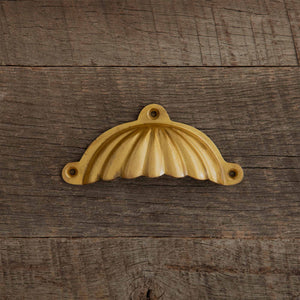
Cup Handles
Cup handles are a timeless choice, particularly for drawers and shaker-style kitchens. Their curved shape creates a traditional feel while remaining practical and comfortable to use.
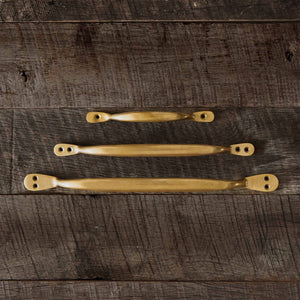
Pull Handles
Longer pull handles create a more substantial presence and suit larger drawers, tall cabinets, and appliance cabinets particularly well. Their scale can help create balance across larger areas of cabinetry. When choosing between styles, consider both appearance and practicality. A beautiful handle should also feel comfortable and natural in the hand.
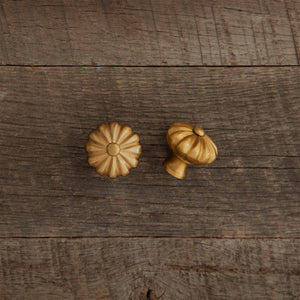
Cabinet Knobs
Knobs are a versatile option that work well on cabinet doors, smaller drawers and furniture pieces. They can create a simple, understated look or become a decorative feature depending on the design.
❖
3. Get the Size Right
A handle that is too small can look lost on a large drawer, while an oversized handle may overwhelm smaller cabinetry.
As a general guide:
- Smaller drawers and cabinet doors often suit handles around 64mm–96mm centre-to-centre.
- Medium drawers and cupboards often work well with handles around 128mm–160mm centre-to-centre.
- Larger drawers, pantries and appliance units often benefit from longer handles of 224mm or more.
There are no strict rules, however. Many contemporary kitchens use oversized handles for a bold architectural look, while traditional kitchens often use smaller proportions for a more delicate appearance.
The most important thing is consistency. Once you have chosen a scale, repeat it throughout the room to create a cohesive finish.
❖
4. Think About the Finish

Polished Brass
Bright and reflective, polished brass makes a bold statement and works particularly well in traditional interiors. Most polished brass hardware is lacquered to preserve its shine, although unlacquered versions are available and will naturally develop a natural patina over time.

Nickel
Nickel is available in both polished and brushed finishes and is known for its subtle silver-grey tone. Softer and warmer than chrome, it complements a wide range of interior styles and works particularly well with cool colour palettes and natural stone.

❖
5. Choose Quality Materials
Solid brass hardware has been valued for generations for its weight, durability and ability to develop character over time.
Quality hardware should feel substantial in the hand. The weight, smoothness and solidity of a handle are often the first signs of careful manufacturing and attention to detail.
Cheaper alternatives may look similar initially, but lighter materials and plated finishes can wear differently over time.
For a kitchen renovation or long-term investment, choosing well-made hardware can make a noticeable difference.
